
Can a Pet Portrait Be Made from Old or Low-Quality Photos?

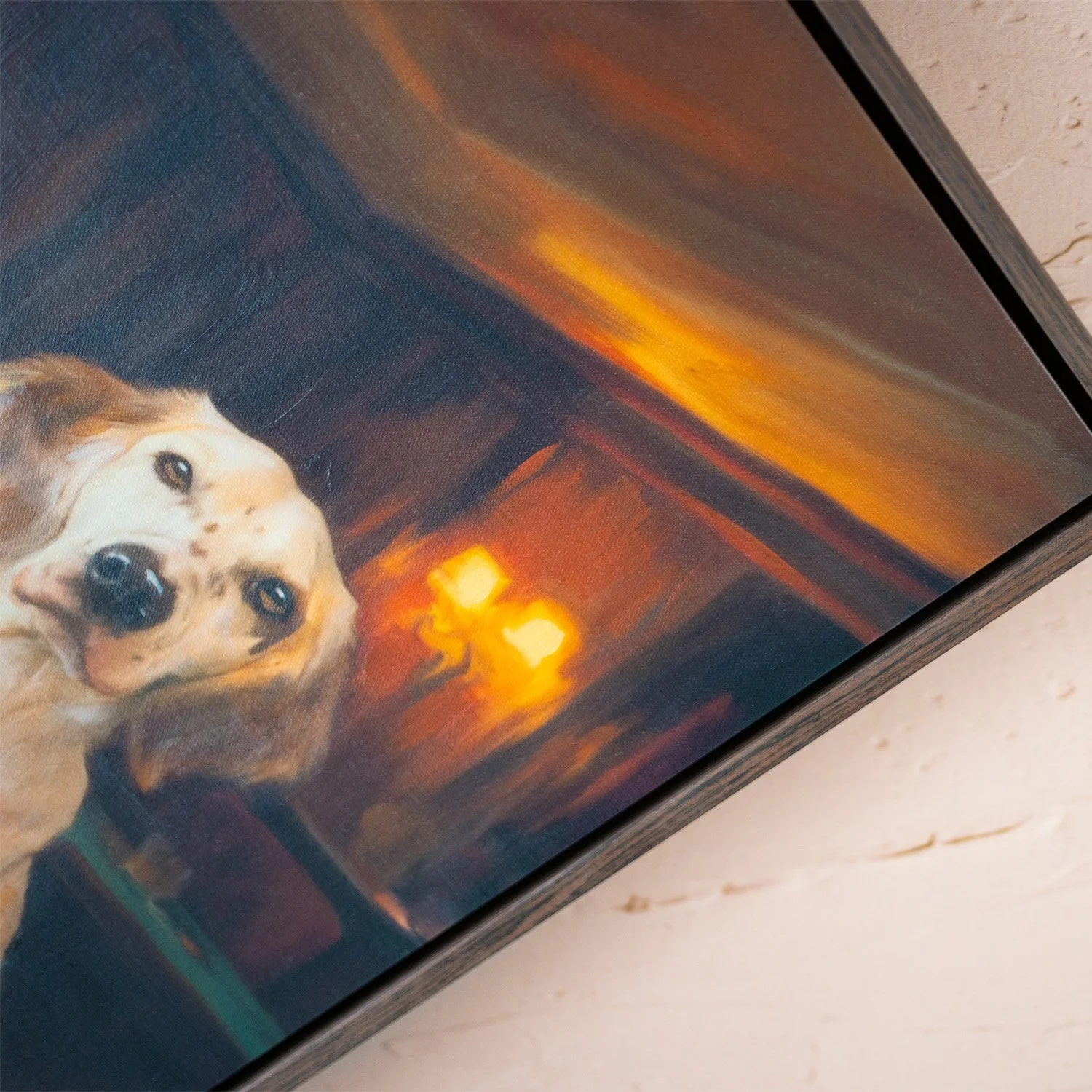
A Storyscape painting using multiple images of four dogs and a bit of creativity.
This is one of the most common questions people ask when considering a pet portrait.
Often, the photos people have were never intended to become reference images. They may be phone snapshots, cropped screenshots, older digital files, or pictures taken years ago under less-than-ideal conditions. In some cases, they’re simply the images that matter most.
The good news is that a strong pet portrait is not built on resolution alone; it’s built on information.
Photo quality and usable information are not the same thing
A photograph can be technically imperfect and still contain everything an artist needs. Expression, posture, proportions, and personality often come through even in images that are grainy, poorly lit, or taken at a distance.
What matters most is not sharpness, but clarity of form. Can the artist see how the head sits on the shoulders? The relationship between eyes, muzzle, and expression? The way the body carries itself?
An experienced portrait artist learns how to read these cues, even when the image itself isn’t ideal.
When one specific photo matters most
Sometimes a client has one particular image they care deeply about. The pose, the setting, or the moment captured in that photograph holds meaning, and they want the portrait to stay true to it.
That approach can absolutely work.
When a portrait is based primarily on a single reference image, the artist’s role becomes one of careful translation rather than reinterpretation. The goal is to preserve what makes that image important while refining clarity, balance, and detail so it works as a finished piece of art.
Additional images can still be helpful in these cases, even if they are not meant to influence pose or composition. They can provide supporting information about markings, proportions, or expression that may not be fully visible in the primary photo.
Multiple photos can strengthen accuracy
In many cases, a single perfect photograph doesn’t exist, and that’s completely normal.
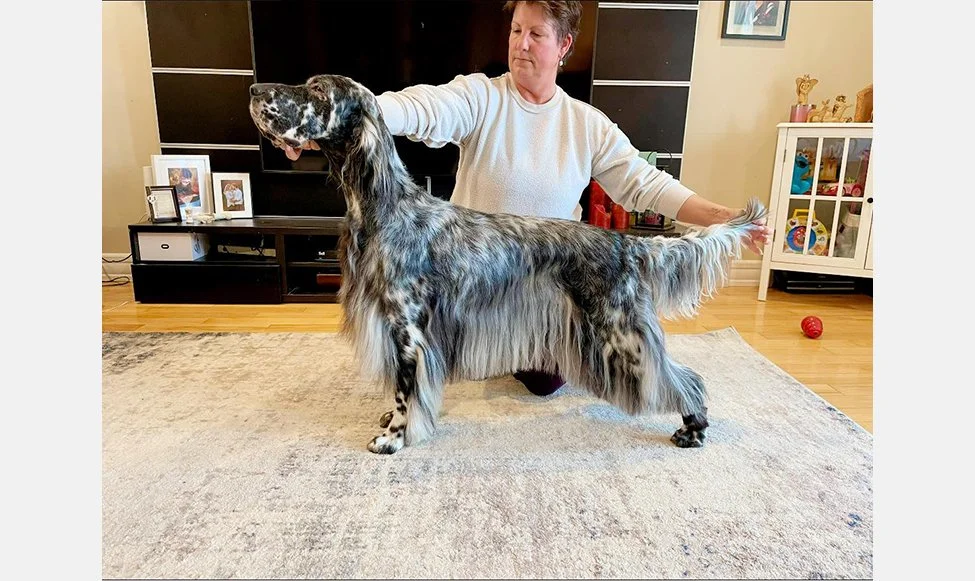
A small collection of reference images often provides a clearer understanding of the subject as a whole. One image might capture expression, another posture, another markings or coat texture. Together, they help the artist build a more accurate and consistent representation.
As a general guideline, a set of five to twenty images is often more than enough. They don’t need to be carefully curated or professionally shot. Variety is usually more useful than technical quality.
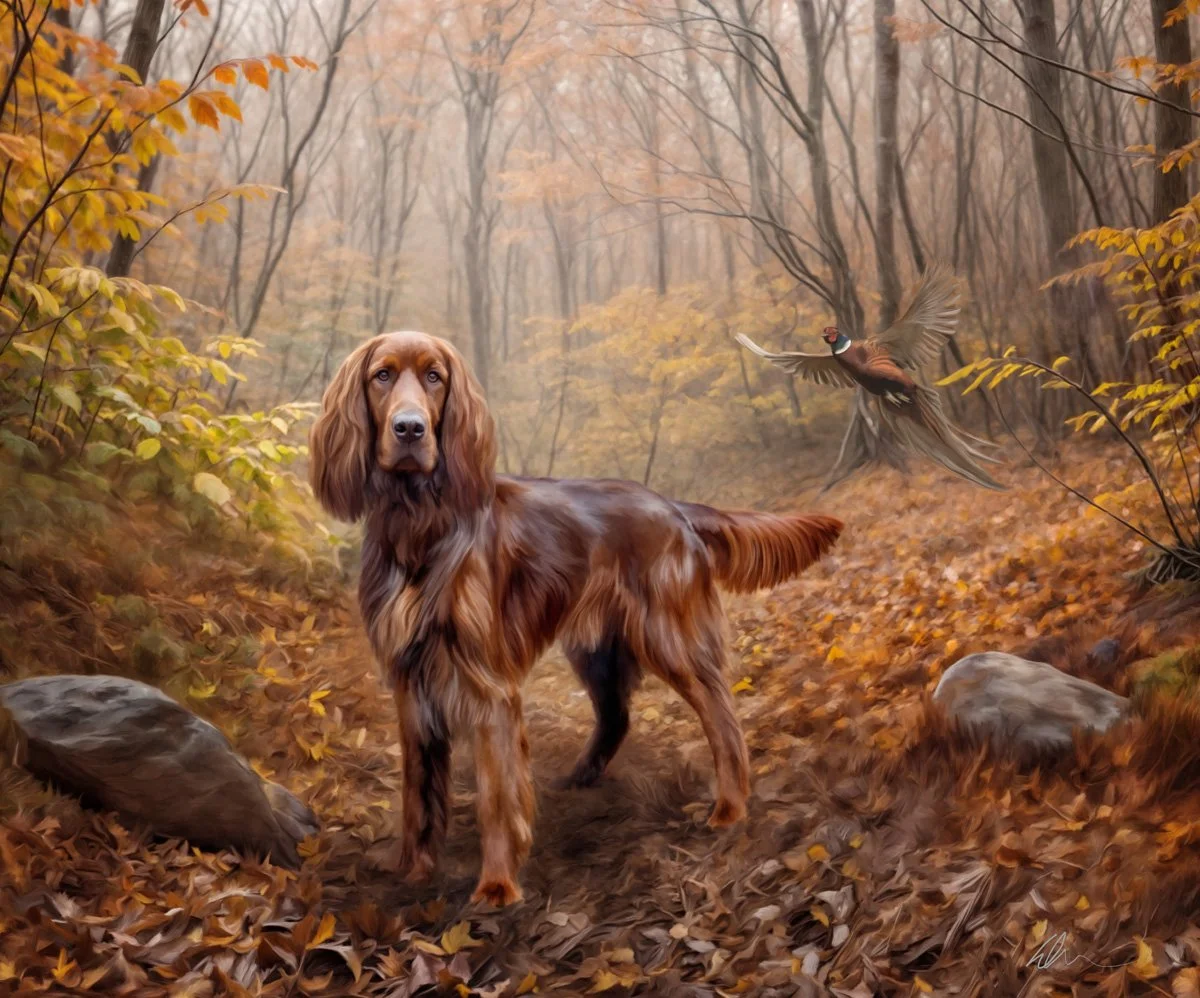
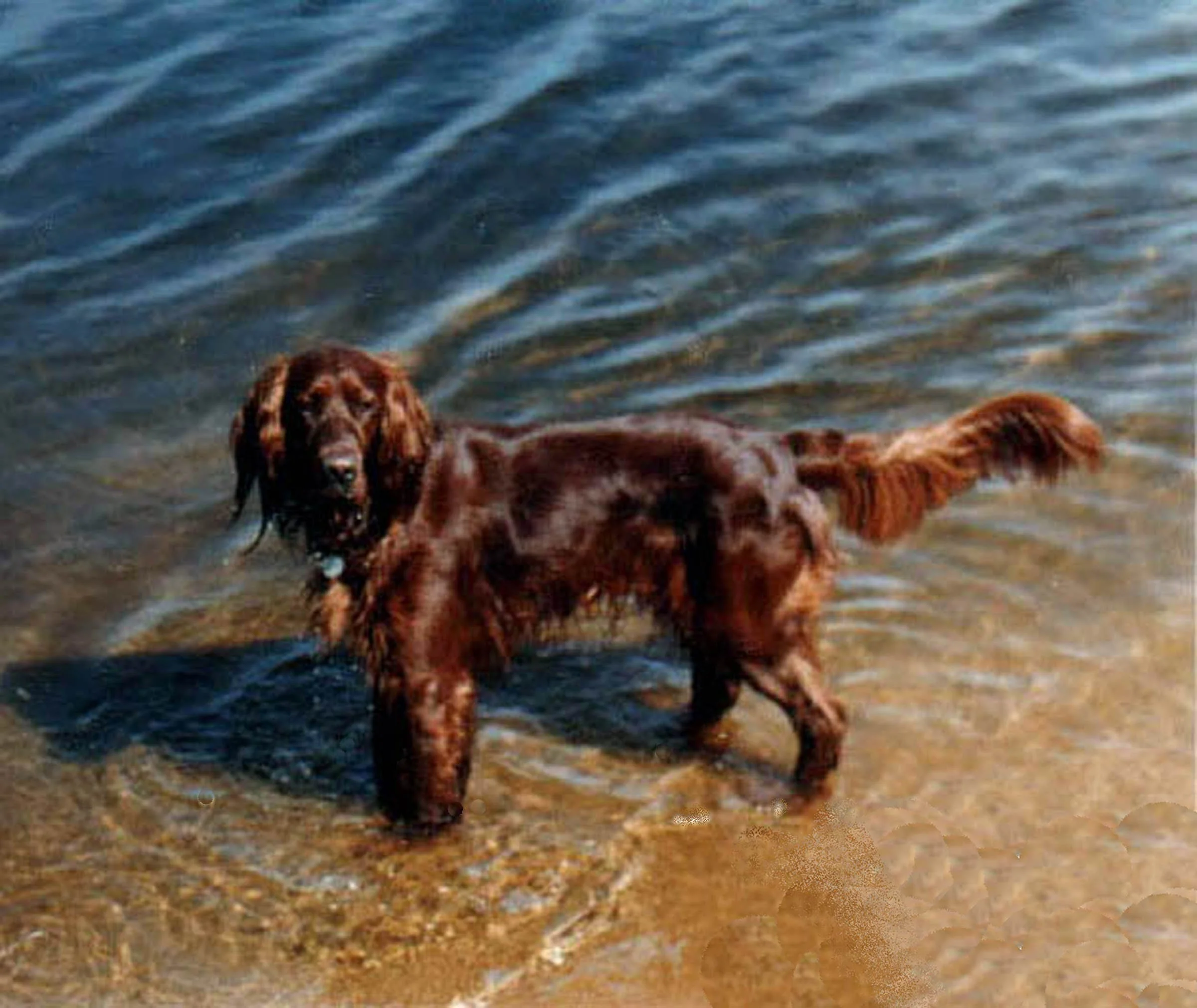
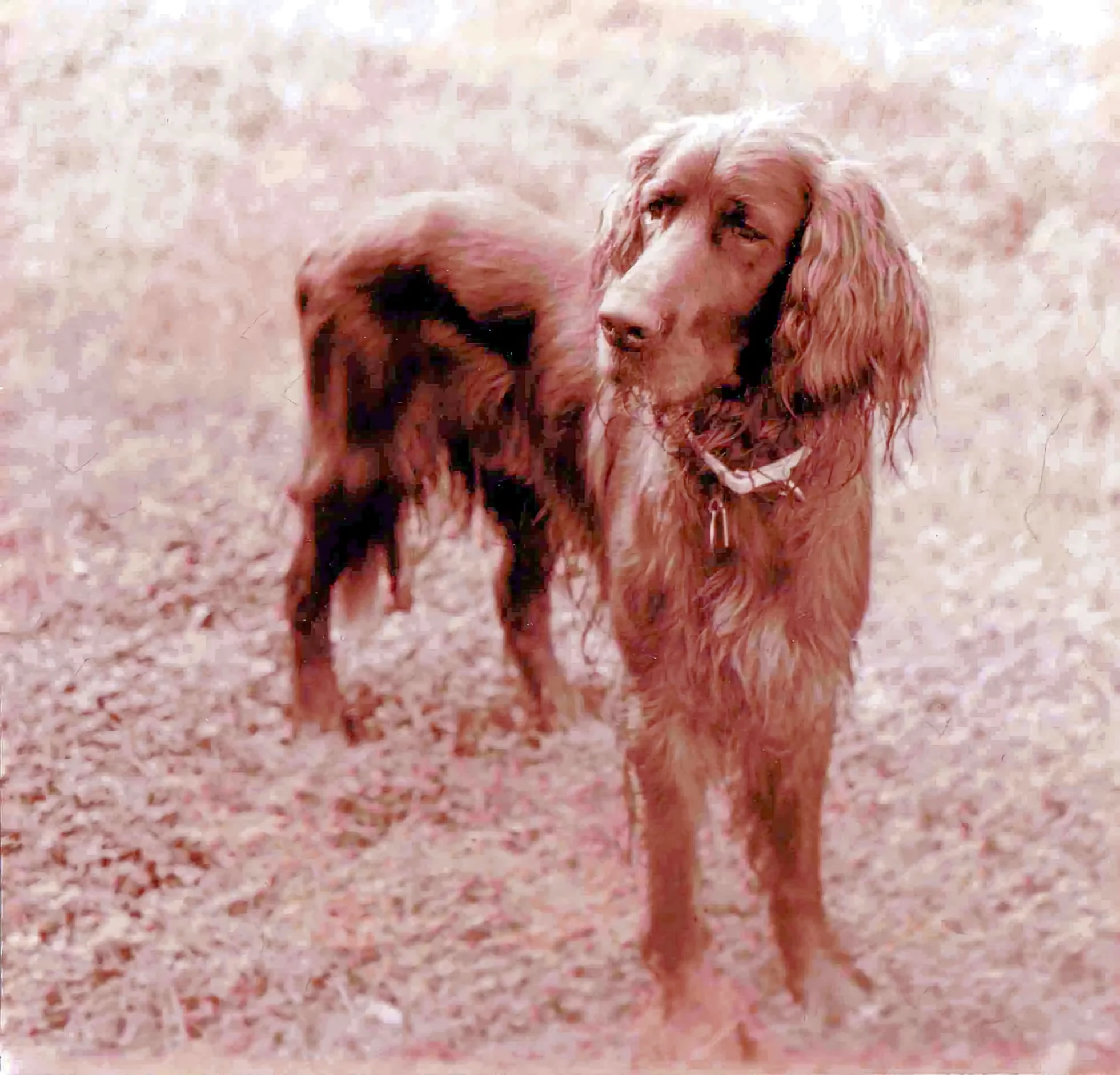
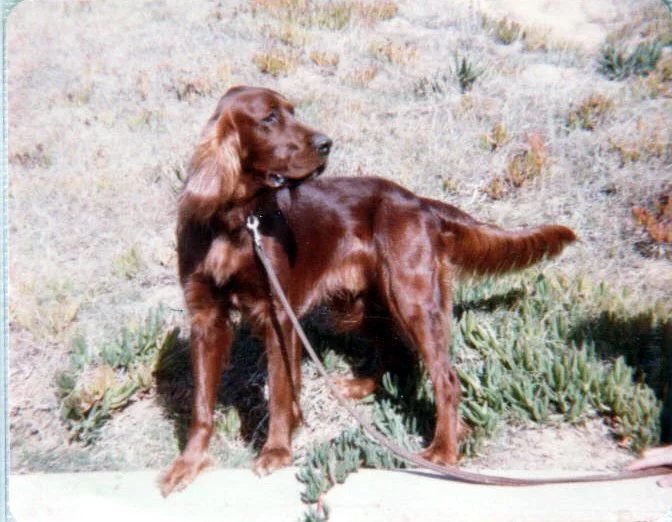
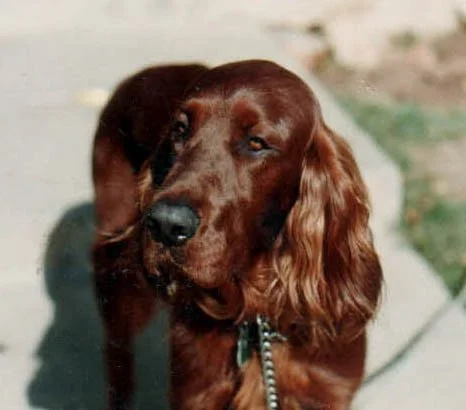
The finished painting of “Brandy” along with four of the reference images used.
Older photos often work better than expected
Older photos are frequently dismissed before they’re ever shared. They may be small files, scanned prints, or images taken on early digital cameras.
While these images may lack modern resolution, they often capture something more important. Familiarity. A posture you recognize instantly. A look that feels unmistakably right.
From an artist’s perspective, that familiarity can be far more valuable than technical perfection.
What makes a photo challenging to work from
Not every image is equally usable, and it’s helpful to understand where limitations arise.
Extreme angles, heavy motion blur, or photos where the subject is partially obscured can reduce the amount of usable information. In those cases, additional images may be needed to fill in the gaps.
A thoughtful artist will be honest about what can and cannot be done from the material provided, and will explain where more information would improve the final result.
Interpretation is part of the process
When working from imperfect or limited references, some degree of interpretation is unavoidable. Background distractions may be simplified or removed. Lighting may be clarified. Small inconsistencies can be adjusted so the final portrait feels cohesive and intentional.
This isn’t about altering reality. It’s about creating a finished piece that reads clearly and feels familiar.
The goal is not to replicate a photograph exactly, but to create a portrait that feels recognizable and complete.
If you’re unsure, ask before deciding
If you’re considering a pet portrait and aren’t sure whether your photos are good enough, the best step is simply to ask.
A professional artist should be willing to review what you have, explain how it might be used, and tell you honestly whether additional images would help. That conversation doesn’t obligate you to anything, but it often removes a great deal of unnecessary worry.
In many cases, the photos people are most uncertain about turn out to be more than enough.
A closing note
For many people, especially when commissioning a memorial piece, hesitation around photos is tied to something deeper. The worry that it’s too late, or that what remains isn’t sufficient.
Often, it is.
A successful portrait isn’t about technical perfection. It’s about recognition. When the finished piece feels familiar, when it brings back memories without explanation, the reference images have done their job.