
WHAT TO LOOK FOR IN A PET PORTRAIT ARTIST
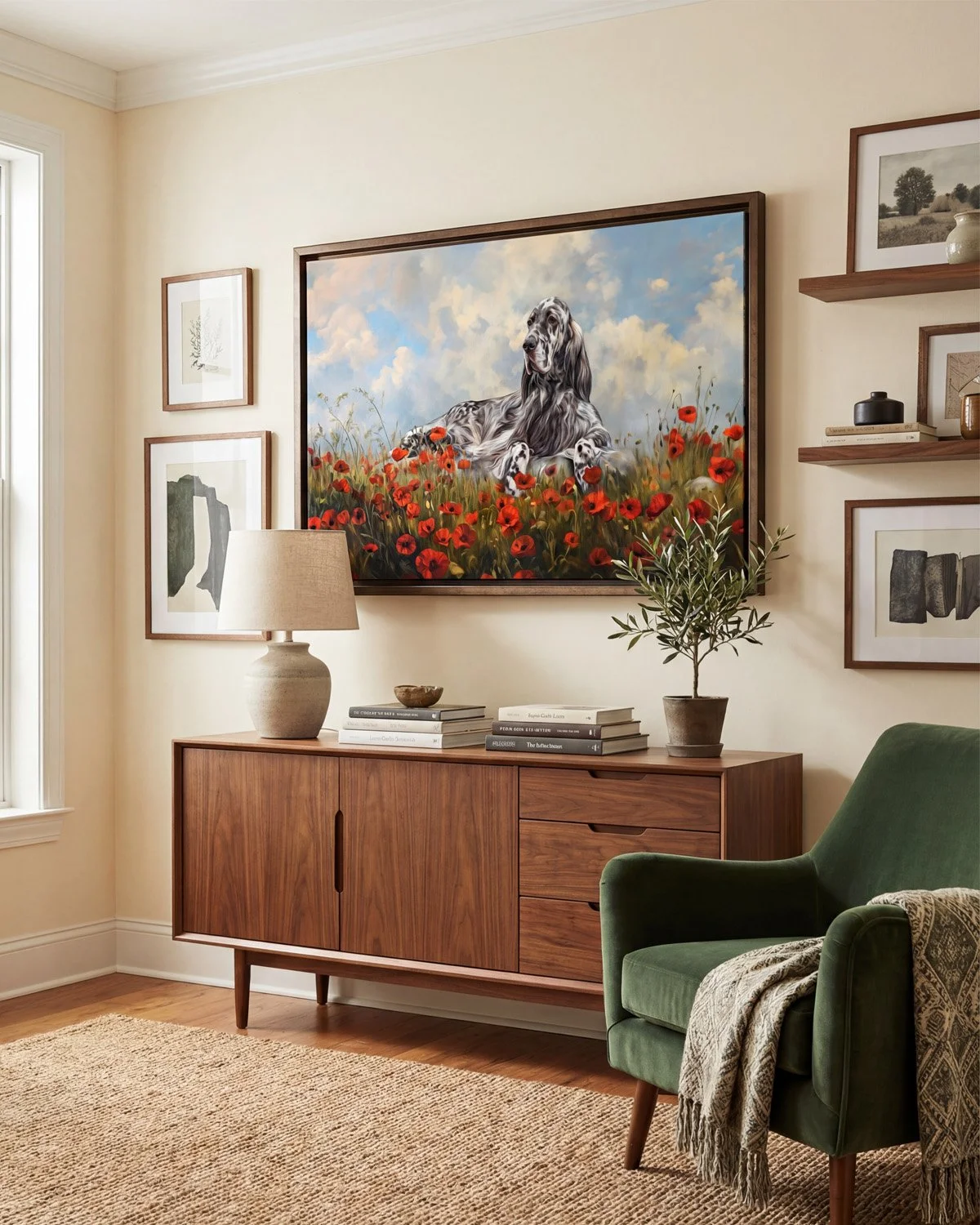
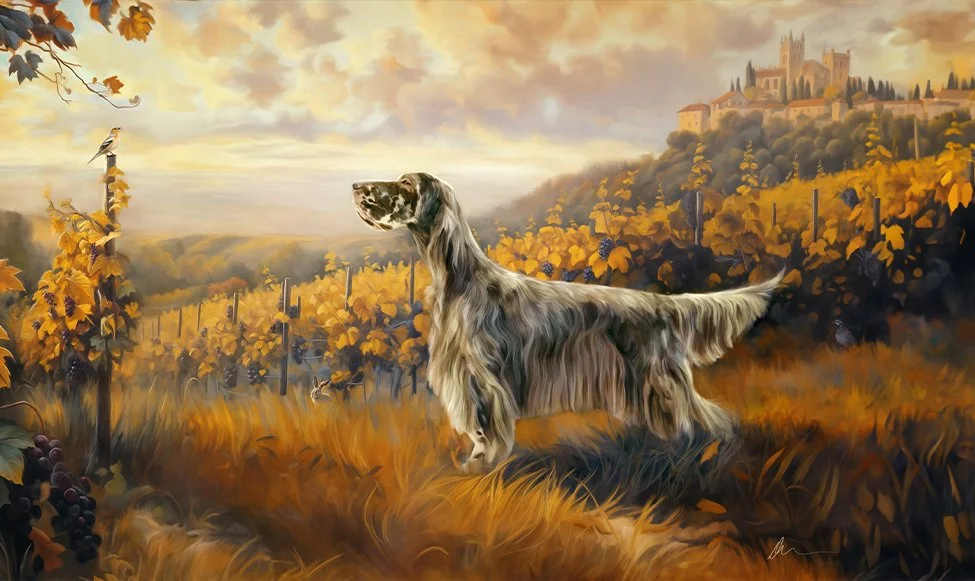
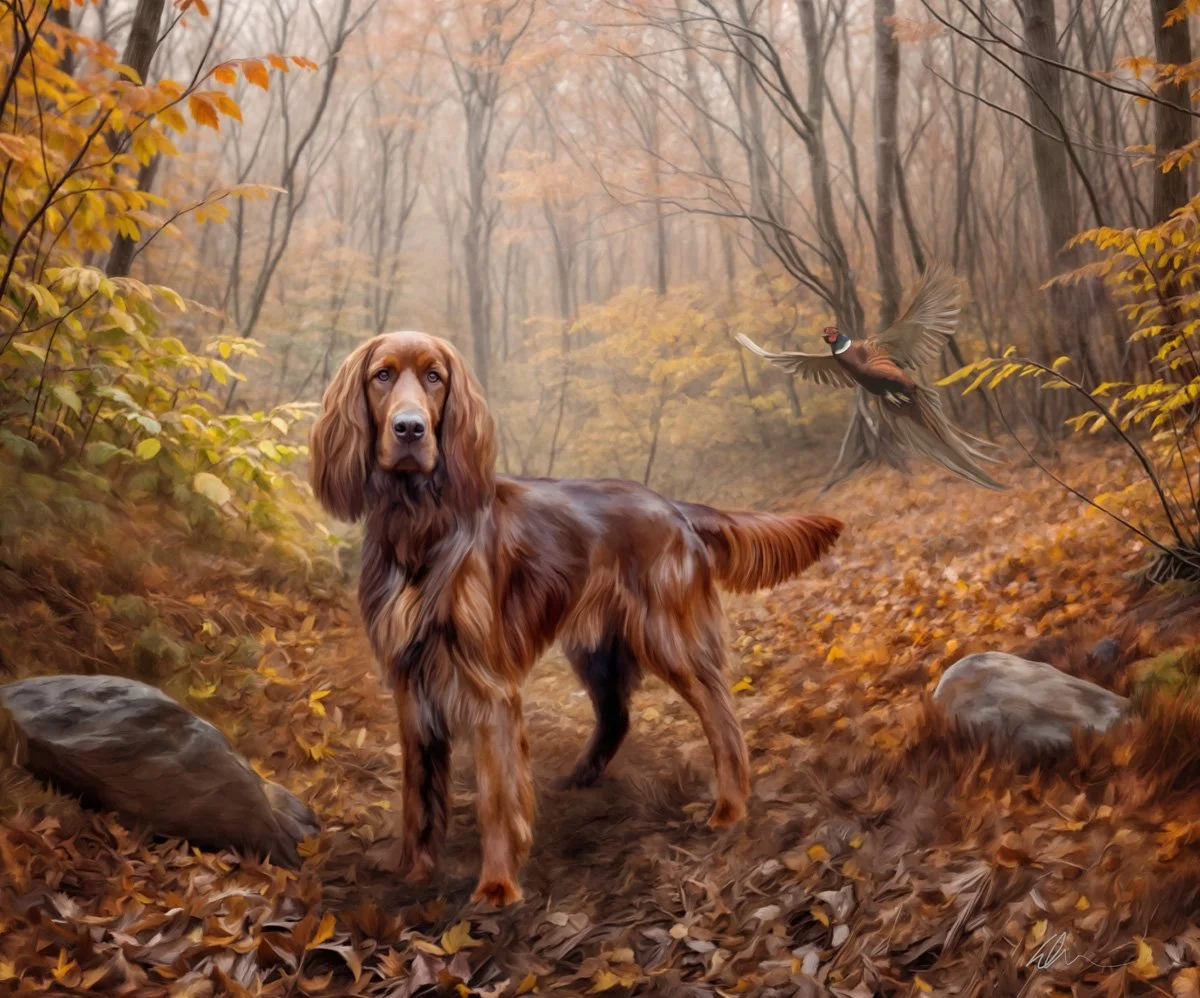
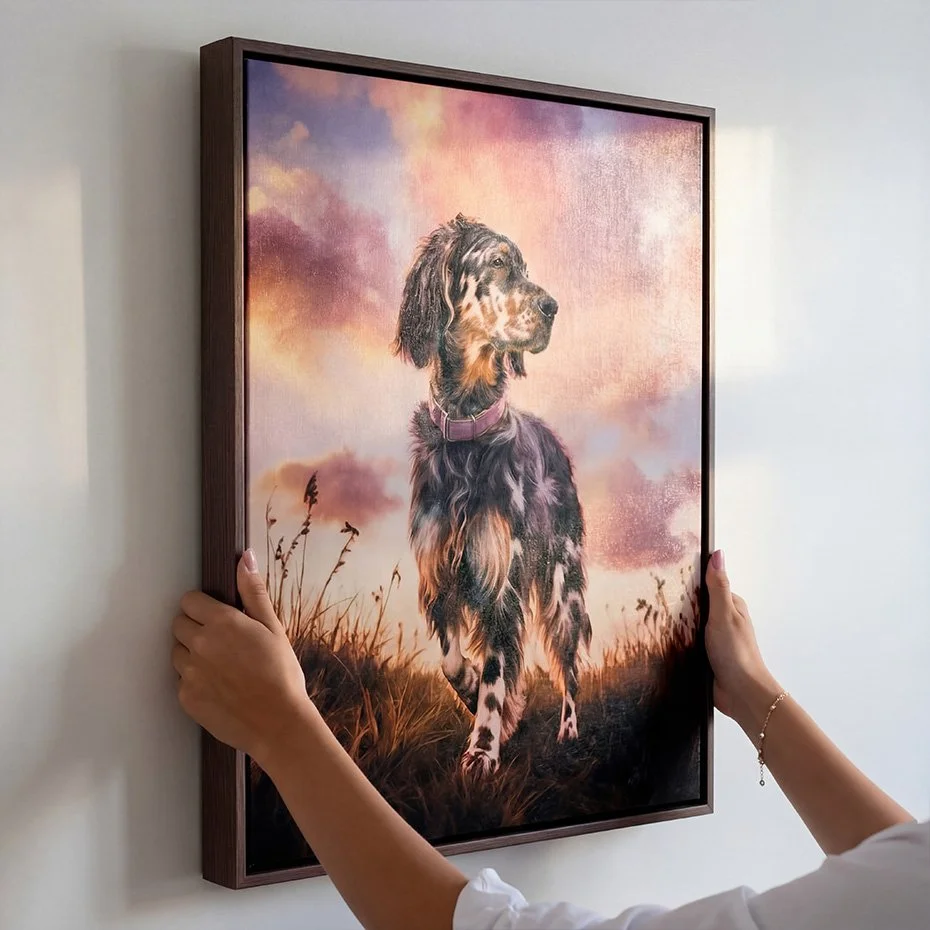
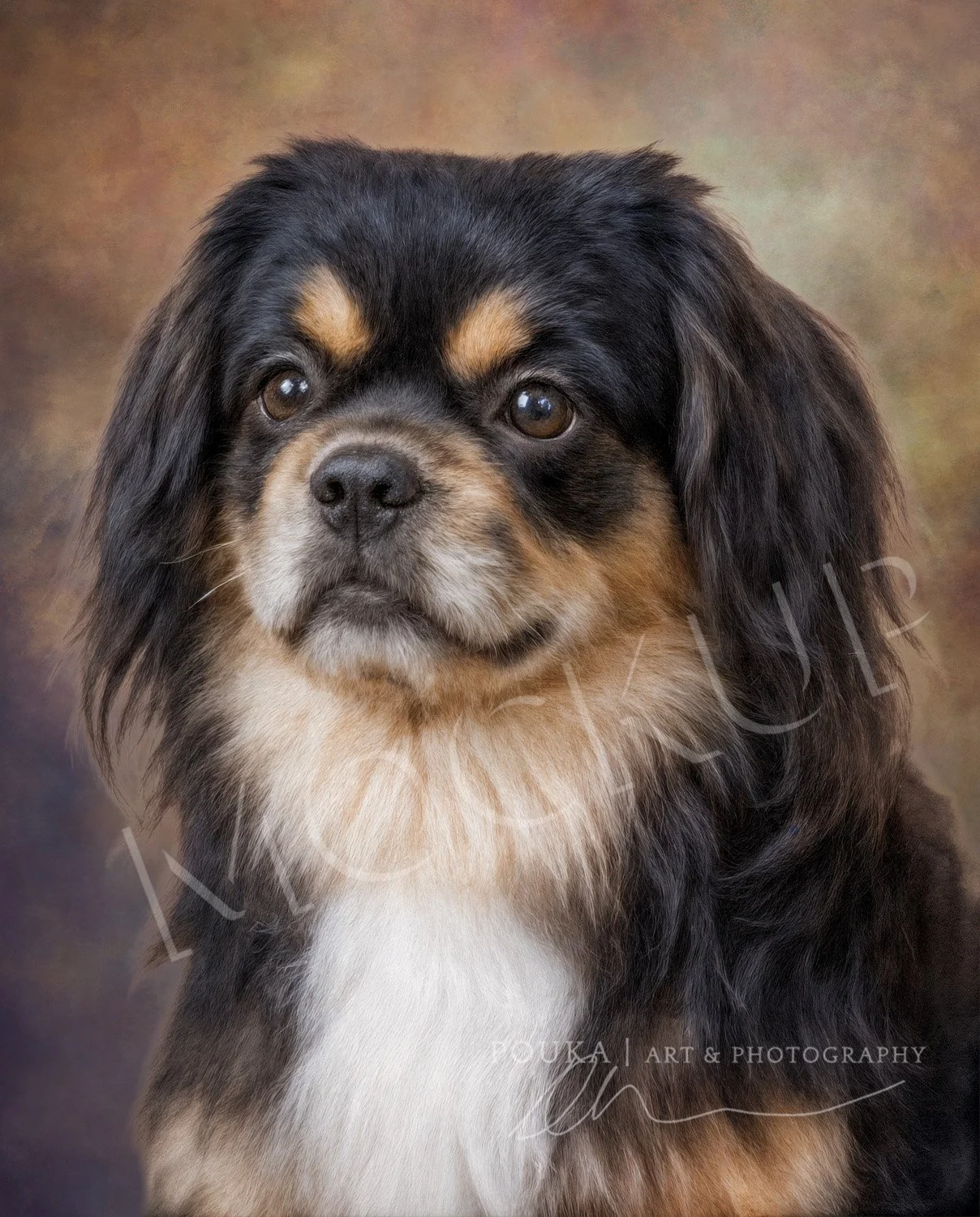
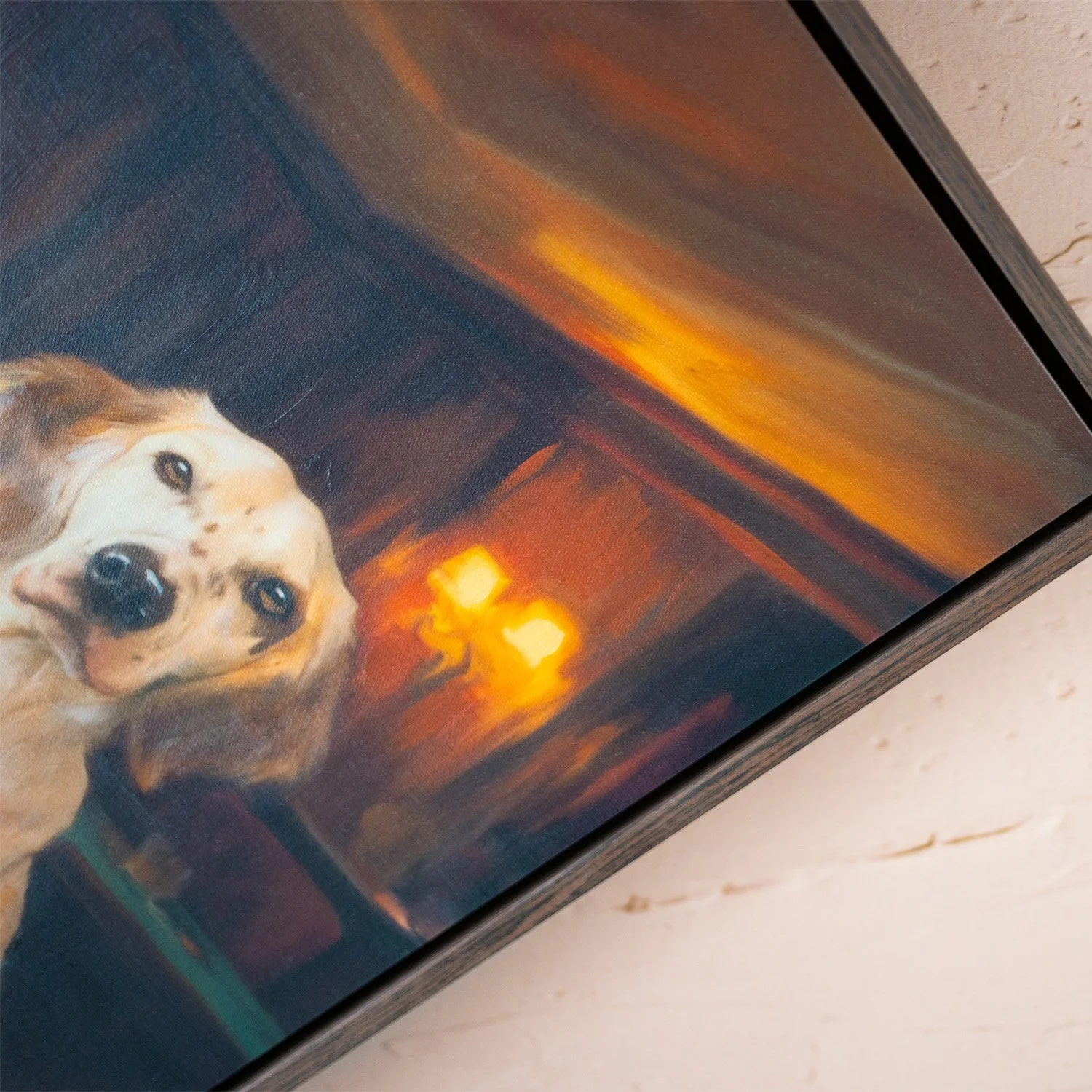
Digital painting of “Annie”, professionally printed and framed, and embellished with acrylics.
Choosing a pet portrait artist isn’t just about finding someone who can make a nice picture. It’s about trusting someone to honor a relationship that matters to you and turn it into something that belongs in your home. Something that brings you comfort and happiness to see every day.
That’s not a small ask.
As a professional pet portrait artist who has completed hundreds of commissioned portraits, I’ve seen what helps people feel confident in their choice—and what they often wish they’d known sooner.
If you’re beginning the search for a pet portrait artist, here are a few things worth paying attention to before you commit.
Understand the medium, not just the image
Pet portraits can be created using many different mediums, and the right choice often has less to do with labels and more to do with how you want the artwork to feel in your space. Oils, watercolors, pastels, charcoal, textiles, sculpture, and digital painting all have their place, and each looks and behaves differently once it’s finished and hanging on a wall.
Some collectors prefer the unpredictability of wet paint or the texture of paper. Others appreciate the precision and flexibility digital tools allow in the early stages of a portrait. Neither approach is obviously better. What matters is how the artist uses the medium, not the medium itself.
It’s also worth distinguishing between hand-created digital paintings and software that automatically converts photographs into “paintings.” Filters can change the look of a photo, but they don’t make decisions the way an artist does. Hand-created work, whether digital or traditional, reflects the individual decisions and style of the artist behind it.
When choosing a pet portrait artist, it helps to understand what medium they work in, why they’ve chosen it, and how it supports the kind of finished artwork you want to live with. The technique should serve the portrait, not distract from it.
Technical skill matters
A good pet portrait balances emotion with structure. Composition, proportion, lighting, and color harmony all play a role.
An artist with formal training or long professional experience will see things that casual editing misses, such as tension in a stance, expression, or the subtle spark in an eye.
These details are subtle, but they’re the difference between a portrait that feels alive and one that feels flat.
Ask how they work with imperfect photos
One of the most common concerns I hear is, “I don’t have great photos.” This is especially common when someone is commissioning a portrait after a loss or working with older images.
A skilled pet portrait artist knows how to read information beyond resolution. Expression, posture, and personality often come through even in imperfect images. In many cases, multiple photos can be combined to create a more complete reference.
If an artist requires a single, perfectly lit, high-resolution file, that may limit what they’re able to do creatively.
Pay attention to the process
Commissioning artwork should feel collaborative, not mysterious. You should know what the steps are, when you’ll be asked for input, and how decisions are made before the final piece is completed.
Transparency isn’t just professional courtesy. It’s how misunderstandings and disappointment are avoided.
Understand what you’re actually receiving
If your goal is something to display in your home, it’s worth understanding how the final piece is produced. What materials are used? How is the artwork finished? Are those materials archival and appropriate for long-term display?
If the work involves printing, ask where and how it’s produced. If it’s traditionally painted, ask about surfaces, paints, and protective finishes. In either case, clarity around materials helps you understand how the piece will age over time.
It’s also reasonable to ask what makes the artwork truly custom. Is the piece created specifically for you? Are there opportunities for input or approval along the way? Is there documentation or a certificate of authenticity included?
A portrait meant to live on a wall should be designed with scale, texture, and longevity in mind, regardless of the medium used.
Credentials aren’t everything, but they aren’t nothing either
Professional affiliations, exhibitions, and awards don’t guarantee you’ll love an artist’s style, but they do show long-term commitment to the craft and the industry.
An artist who has invested years in learning, refining, and teaching their craft is more likely to deliver work that holds up over time, both technically and artistically.
A closing note
My own approach is shaped by years of professional training and experience, including earning the PPA Master Artist and AIM Master of Animal Imagery credentials, and creating commissioned artwork through Pouka Art & Photography since 2006. That background informs how I think about process, communication, and craftsmanship at every stage of a portrait.
If you’re considering commissioning a pet portrait and aren’t sure whether your photos are good enough, or whether my painting style or the final product is the right fit, it’s always worth asking questions before deciding. A thoughtful artist will be honest about what’s possible, and just as honest about what isn’t.
That conversation is often where the best portraits begin, because it sets expectations on both sides.